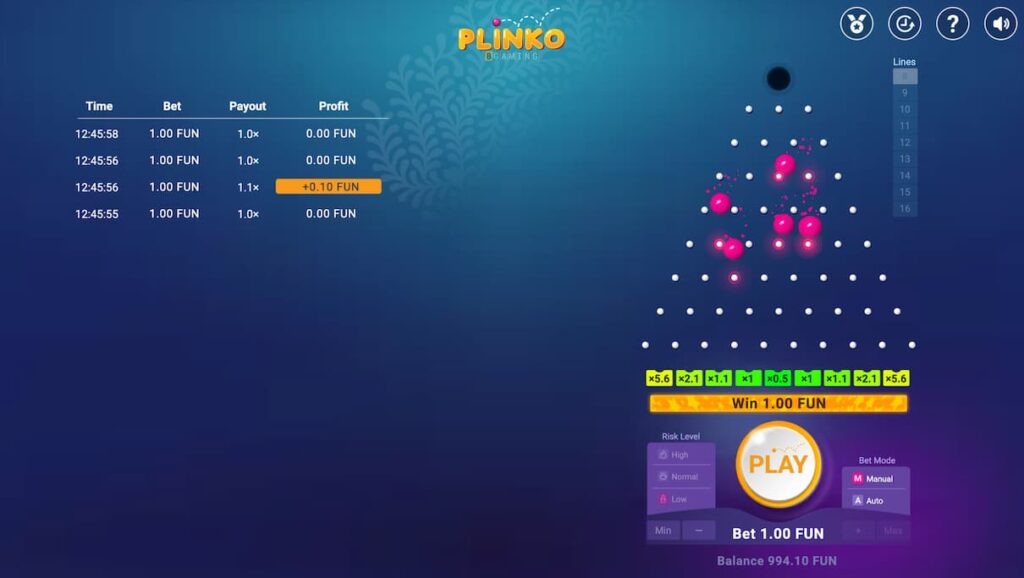
The world of cryptocurrency gambling has experienced explosive growth, with Plinko emerging as one of the most popular crash games across international platforms. As players worldwide invest their digital assets into these games, a critical question emerges: how can participants verify that the games they’re playing are genuinely fair and not rigged against them? This is where provably fair technology becomes essential, offering transparent verification through blockchain technology that allows players to independently confirm game outcomes and maintain trust in the ecosystem.
Understanding Provably Fair Technology in Plinko Games
Provably fair systems represent a revolutionary approach to online gambling transparency, fundamentally changing how crypto casinos operate. Unlike traditional online casinos where players must trust the operator’s word, provably fair technology uses cryptographic algorithms and blockchain verification to create an immutable record of game outcomes. In Plinko specifically, this means every ball drop, every peg collision, and every final position can be mathematically verified by the player themselves.
The technology works through a combination of server seeds, client seeds, and nonce values that are hashed together to determine the outcome before a player even places their bet. Leading platforms like BC.GAME and Stake have implemented comprehensive provably fair systems that allow players to audit thousands of historical games. This transparency has become a distinguishing factor for credible operators in the regulatory gray zones where crypto gambling currently operates, as players increasingly demand verification mechanisms before risking their funds.
How Blockchain Verification Builds Player Confidence
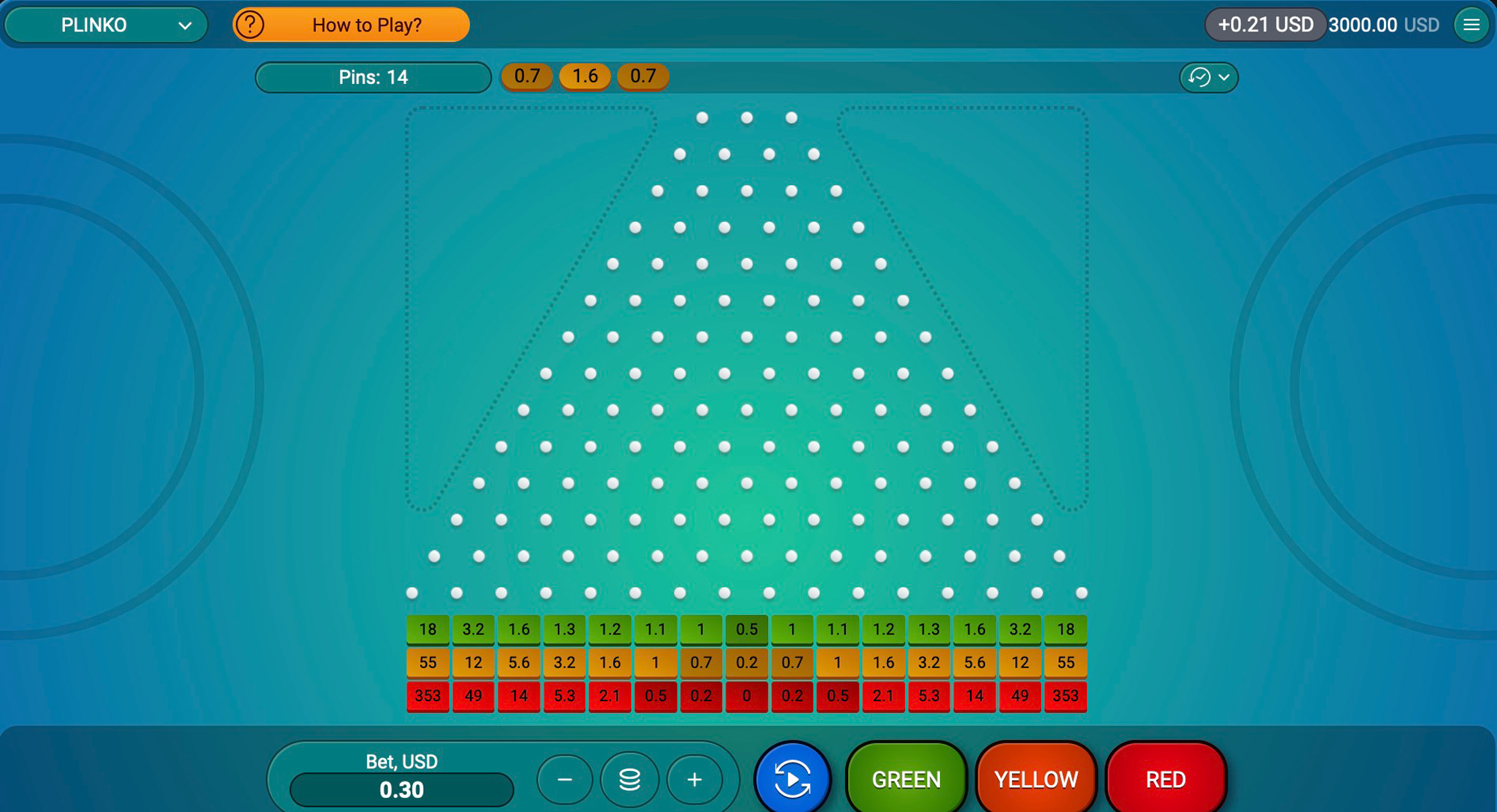
Blockchain technology serves as the backbone of provably fair verification, creating an unchangeable ledger of all game transactions and outcomes. When a player engages with a Plinko game on a blockchain-integrated platform, the game result is recorded on the distributed ledger, making it impossible for operators to alter outcomes retroactively. This permanent record gives international players confidence that their losses or wins are legitimate results of the game mechanics, not manipulated by the house.
The transparency extends beyond individual games. Players can examine the entire history of a Plinko variant, analyzing patterns and verifying that the mathematical probability distribution matches what the operator claims. International gambling communities have developed sophisticated tools to analyze these blockchain records, comparing theoretical odds against actual outcomes across millions of plays. When discrepancies appear, they become immediately visible to the entire player base, creating natural accountability that traditional casinos simply cannot match.
Seed Generation and Hash Verification
The foundation of provably fair Plinko relies on cryptographic seed generation. Before each game, the operator generates a server seed, and the player receives a client seed. These seeds are combined with a nonce counter and run through a cryptographic hash function, producing the game outcome. Players can verify this process by requesting the server seed after the game concludes and running the same hash function themselves to confirm the outcome matches what they experienced.
Transparency Reports and Audit Trails
Reputable platforms now publish regular transparency reports detailing their Plinko game statistics, house edge calculations, and verification methodologies. These reports allow independent auditors and player communities to confirm that actual game results align with theoretical expectations. Stake and BC.GAME have set industry standards by making their verification tools publicly accessible, enabling any player to become their own auditor rather than depending solely on third-party certifications.
The Role of Independent Auditors in Crypto Gambling
While blockchain verification provides technical transparency, independent auditing firms add another layer of credibility to the ecosystem. These organizations examine operator code, verify mathematical models, and confirm that provably fair systems function as advertised. International players often research whether their chosen platform has undergone third-party audits, as this provides additional assurance beyond the technical verification mechanisms.
However, the audit landscape in crypto gambling remains fragmented. Some auditors specialize exclusively in provably fair technology, while others conduct broader security assessments. Players should understand that an audit certification indicates verification at a specific point in time and doesn’t guarantee future integrity. The most transparent operators conduct regular audits and publish their findings publicly, allowing the international gambling community to maintain ongoing scrutiny of their operations.
Practical Steps for Verifying Plinko Game Fairness
International players engaging with Plinko games can take concrete actions to verify fairness independently. First, before depositing significant funds, players should test the verification tools themselves. Most legitimate platforms provide historical game data that players can audit using the provided verification algorithms. Spending time understanding how to verify one or two games builds confidence in the system and reveals whether the platform truly supports transparency or merely claims to.
Players should document their own gameplay carefully, recording bet amounts, game hashes, and outcomes. When aggregating this data across numerous plays, patterns should emerge that align with the theoretical house edge. Significant deviations warrant investigation and potentially switching platforms. Additionally, participating in international gambling communities where players share verification results provides collective intelligence about platform integrity. When multiple independent players report successful verification across thousands of games, this creates stronger confidence than any single audit.
Understanding the specific provably fair implementation matters as well. Different platforms use different hash functions and seed combinations. Players should familiarize themselves with their chosen platform’s specific methodology before investing substantial amounts. Reading through the technical documentation, even if complex, demonstrates whether operators are genuinely committed to transparency or using technical jargon to obscure opacity.
Current State of Plinko in Regulatory Gray Zones
Plinko dominates crypto casinos operating in regulatory gray zones precisely because provably fair technology allows these platforms to operate with some legitimacy despite uncertain legal status. In jurisdictions where online gambling licensing remains undefined or prohibited, provably fair verification becomes the primary mechanism through which platforms establish credibility with international players. This technological transparency partially compensates for the absence of governmental regulatory oversight.
However, players should recognize that provably fair verification addresses only one dimension of risk. A mathematically fair game can still operate on a platform vulnerable to hacking, theft, or operator exit scams. Provably fair technology doesn’t guarantee that players can withdraw their winnings or that the platform won’t disappear with customer funds. International players must evaluate provably fair systems as one component of a comprehensive risk assessment that includes platform reputation, operational history, and security infrastructure.
Strategic Considerations for Responsible Plinko Participation
Understanding provably fair technology should inform rather than encourage increased gambling activity. While verification mechanisms provide transparency about game mechanics, they don’t change the fundamental mathematics that creates a house edge. Players verifying that games are fair are confirming that they’re losing money at the expected rate, not that they should increase their engagement.
International players should set strict bankroll limits before engaging with Plinko, regardless of how transparent the platform’s verification system appears. The ability to audit game fairness doesn’t reduce the addictive potential of crash games or alter the reality that sustained play results in net losses for the vast majority of participants. Provably fair verification should enhance player confidence in specific losing sessions, not encourage longer play sessions or larger bets.
Players new to provably fair verification should start by learning the technology on free play modes or with minimal stakes. Understanding how to verify outcomes builds literacy that serves players across all crypto gambling platforms. This knowledge empowers international players to make informed decisions about which platforms merit their trust and which deserve skepticism.
Responsible gambling remains paramount when engaging with any crash game, including Plinko. Players should never gamble with funds needed for essential expenses, should establish strict time and monetary limits before playing, and should seek support if gambling becomes compulsive. Provably fair technology, while valuable for transparency, doesn’t eliminate gambling risks or provide protection against problem gambling behaviors. International players should approach Plinko and similar games as entertainment with real financial consequences, maintaining awareness of their personal vulnerability to gambling-related harms.
