The crash game market has experienced explosive growth among international players, with two titles dominating the conversation: JetX and Aviator. While Aviator maintains approximately 90% of the global market share, JetX has emerged as an innovative alternative that’s gaining significant traction in regulated markets across Europe, Latin America, and Asia-Pacific regions. Both games offer thrilling mechanics where players watch multipliers climb before deciding when to cash out, but they differ substantially in their technical specifications, volatility profiles, and return-to-player percentages. Understanding these differences is crucial for players seeking to optimize their gaming experience and make informed decisions about which crash game aligns with their risk tolerance and playing style.
Understanding the Fundamental Mechanics Behind Each Game
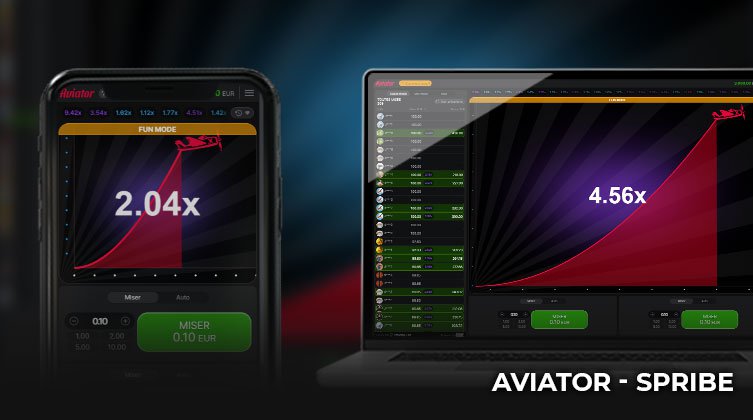
Aviator, developed by Spribe, revolutionized the crash game genre when it launched and established the core mechanics that define the category. The game features a virtual airplane that takes off on the screen while a multiplier climbs steadily. Players place their bets before the round begins and must decide when to cash out before the plane crashes, which ends the round. The unpredictable nature of the crash creates genuine suspense, as players never know whether the multiplier will reach 1.5x or soar to 100x.
JetX, developed by Play’n GO, follows a similar premise but introduces a rocket instead of an airplane as its central visual element. The gameplay mechanics remain consistent with the crash game format, but JetX distinguishes itself through enhanced graphics, smoother animations, and what many players describe as more intuitive interface design. The rocket theme and visual presentation appeal particularly to players who appreciate modern, sleek gaming aesthetics. Both games allow players to set automatic cashout levels, which adds a strategic layer for those who prefer predetermined exit points rather than manual decision-making during each round.
Comparing RTP Percentages and House Edge

Aviator’s Return-to-Player Structure
Aviator typically operates with an RTP of 97%, which represents a competitive return rate within the crash game category. This means that over extended play sessions, players can expect approximately 97 of every 100 currency units wagered to return to them as winnings, while the remaining 3% constitutes the house edge. The 97% RTP applies consistently across different bet sizes and regions, though some licensed operators may offer slight variations depending on their specific agreements with Spribe. This transparency has contributed significantly to Aviator’s popularity among players who value knowing exactly what mathematical advantage the house maintains.
JetX’s Competitive RTP Advantage
JetX counters with an RTP of 96%, which is marginally lower than Aviator’s offering but remains highly competitive within the crash game market. The difference of one percentage point translates to minimal impact during casual gaming sessions but becomes more noticeable during extended play periods. What distinguishes JetX is that Play’n GO, the developer, has gained recognition for transparent communication regarding game mechanics and fairness. Many international players have noted that despite the slightly lower RTP, JetX’s volatility profile and win frequency patterns create a different risk-reward dynamic that some find more appealing than Aviator’s structure.
Volatility Profiles and Risk Assessment
Volatility in crash games differs from traditional slot machine volatility because the outcome depends on when the crash occurs rather than on fixed symbol combinations. Aviator exhibits moderate to high volatility, with crash points distributed across a wide range of multipliers. Players frequently experience crashes at low multipliers like 1.2x or 1.5x, but the game also produces occasional extended rounds where multipliers climb to 50x, 100x, or even higher. This unpredictability creates the tension that defines the crash game experience, but it also means players face significant swings in their session results.
JetX presents a comparable volatility structure, though experienced players often report that the distribution of crash points feels slightly different. Some players describe JetX crashes as occurring at marginally different frequencies across various multiplier ranges compared to Aviator, though both games use certified random number generators to ensure fairness. The perceived differences may relate more to individual player experience and variance during specific sessions rather than fundamental algorithmic differences. For risk-averse players, both games can feel volatile during unlucky streaks, while aggressive players may find the volatility exhilarating.
Market Position and Player Adoption Trends
Aviator’s Dominant Market Share
Aviator’s 90% global market share reflects its first-mover advantage and established reputation within the crash game category. The game has become synonymous with crash gaming for many international players, particularly in markets like Brazil, India, and Southeast Asia where it achieved early penetration. Major licensed operators including Betano, Bet365, and 1xBet feature Aviator prominently in their crash game sections, ensuring consistent player traffic and brand recognition. Professional streamers and content creators have extensively documented Aviator gameplay, creating a vast library of strategy videos and tutorials that facilitate player onboarding.
JetX’s Emerging Challenge
Despite Aviator’s dominance, JetX has achieved recognition as an award-winning alternative that appeals to players seeking innovation and fresh experiences. The game has gained particular traction in regulated European markets including the United Kingdom, Germany, and Spain, where operators prioritize offering diverse game portfolios. Operators like Casumo, Mr Green, and Unibet have integrated JetX into their platforms, recognizing its appeal to players who appreciate Play’n GO’s reputation for quality game development. Recent player surveys indicate that approximately 15-20% of crash game enthusiasts actively play both titles, using them interchangeably based on preference or operator availability.
Strategic Considerations for Player Selection
Choosing between JetX and Aviator ultimately depends on individual preferences regarding RTP tolerance, visual presentation, and operator availability. Players prioritizing maximum theoretical return should favor Aviator’s 97% RTP, though the one percentage point difference remains negligible for casual gaming sessions. Players who value modern aesthetics and innovative mechanics may gravitate toward JetX, particularly if they appreciate Play’n GO’s design philosophy evident in other titles from the developer’s portfolio.
Practical considerations also matter significantly. Check which game your preferred licensed operator offers, as availability often determines actual choice. Some operators feature both titles, allowing players to compare them directly. Consider testing both games with small stakes to experience their distinct feels and mechanics before committing to larger wagers. Pay attention to how each game’s crash patterns align with your preferred betting strategies, whether you favor aggressive multiplier targeting or conservative low-multiplier cashouts.
Responsible Gaming Practices for Crash Game Players
Crash games present unique psychological challenges because their fast-paced nature and unpredictable outcomes can encourage rapid decision-making that leads to excessive wagering. Establish strict betting limits before each session and commit to honoring them regardless of winning or losing streaks. Set daily, weekly, and monthly loss limits that represent amounts you can afford to lose without affecting essential expenses or financial obligations. Never chase losses by increasing bet sizes after unsuccessful rounds, as this behavior frequently results in accelerated bankroll depletion.
Utilize responsible gaming tools provided by licensed operators, including deposit limits, session time limits, and self-exclusion options. Take regular breaks during extended gaming sessions to maintain perspective and prevent impulsive decisions. Remember that both JetX and Aviator operate on mathematical principles that guarantee a house edge, meaning no strategy can overcome this inherent advantage over sufficient time. View crash games as entertainment with an associated cost rather than as income-generating opportunities. If you experience difficulty controlling your crash game play, contact organizations like Gamblers Anonymous or the National Council on Problem Gambling for support and resources.
